
Equipment we review
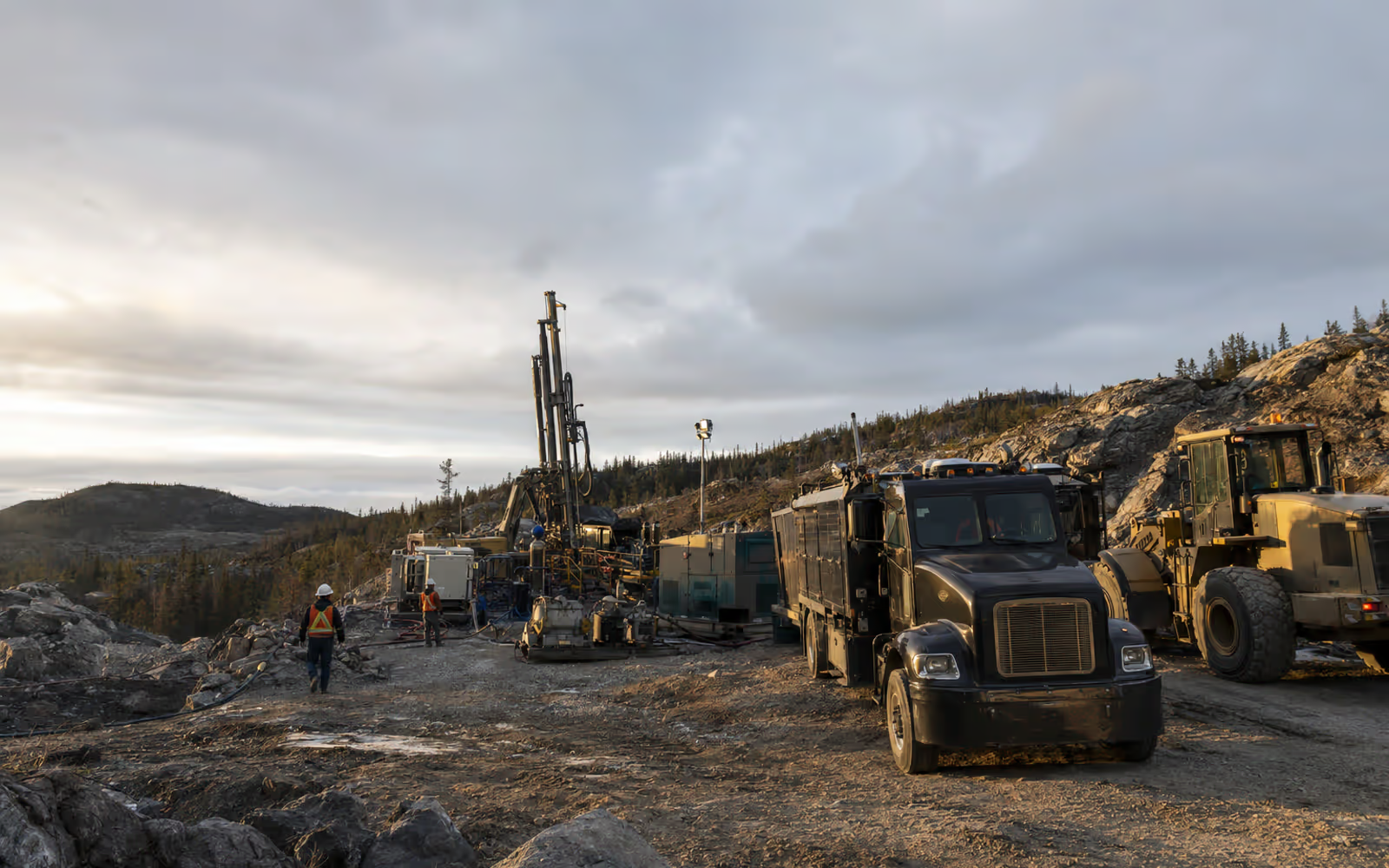
Drilling equipment that can be considered
Drilling equipment is specialized. Identifying the method, configuration and included support systems is more useful than submitting a quote that says only “drill rig.” Each asset and associated cost is reviewed for eligibility.
- Truck-mounted, tracked and trailer-mounted drill rigs
- Exploration and core-drilling equipment
- Geotechnical and water-well drilling rigs
- Directional drilling machines and supporting equipment
- Air compressors and booster equipment
- Pumps, mud systems and fluid-handling equipment
- Support trucks, service units and equipment trailers
- Associated tooling and durable accessories included in a documented equipment package
Make the rig specification clear from the start
Provide the make, model, year, serial number and meter readings. Explain the drilling method and intended application, and list the major components included in the price. A rig sold with a carrier, compressor and pump can be a different transaction from a bare machine that still needs supporting assets.
Describe what the equipment lets your business do: replace an existing rig, add capacity, meet a contract requirement or enter a different type of work. Share relevant operating experience, the proposed work location and available contracts. Identify projected opportunities separately from committed work so the review uses a clear picture of the business.
Financing used rigs and support equipment
Used rigs can be considered when the equipment and seller can be documented. Gather service records, photographs and details of significant rebuilds. If the rig is mounted on a truck or tracked carrier, describe both the drilling unit and the carrier, including their respective identifiers and condition.
A seller’s total price may include tooling, replacement parts, consumables and service work. Request an itemized quote so durable equipment can be reviewed separately. List any rebuild or modification still required and who is responsible for completing it. An equipment inspection remains a separate purchase decision from financing approval.
Equipment leasing and the operating plan
Merrit Capital specializes in equipment leasing and can also review conditional sales contracts. Explain your intended holding period, expected utilization and plans for the equipment after the current job. A proposed structure should be reviewed for its full payment schedule, initial payment and end-of-term obligations.
If you already own a rig or other eligible equipment, a sale-leaseback may be worth discussing as a separate transaction. It depends on equipment value, existing liens, ownership and business cash flow. Share the current asset details and intended use of proceeds so Merrit Capital can determine what information the review needs.
Remote sites: account for delivery and cash timing
For a remote project, include the delivery location, shipping plan and expected mobilization date. Tell us whether the quote includes transport, commissioning or installation, and whether a deposit or milestone payment is requested. These details need review before you promise a payment date to the supplier.
Keep the equipment purchase separate from the funds needed to operate the job. Payroll, fuel and mobilization may need a working capital discussion, while outstanding customer invoices may support a receivables factoring review. Those services have their own requirements; a contract or equipment asset alone does not guarantee funding.