Commercial equipment financing across Canada

Equipment financing resource

Equipment sale-leaseback: how it works

A sale-leaseback converts eligible owned equipment into liquidity while the business continues using it under a lease. It can support a sound growth or working-capital plan, but it is not simply a withdrawal of the original purchase price.

Practical Canadian guideAnswer-first informationUpdated 2026
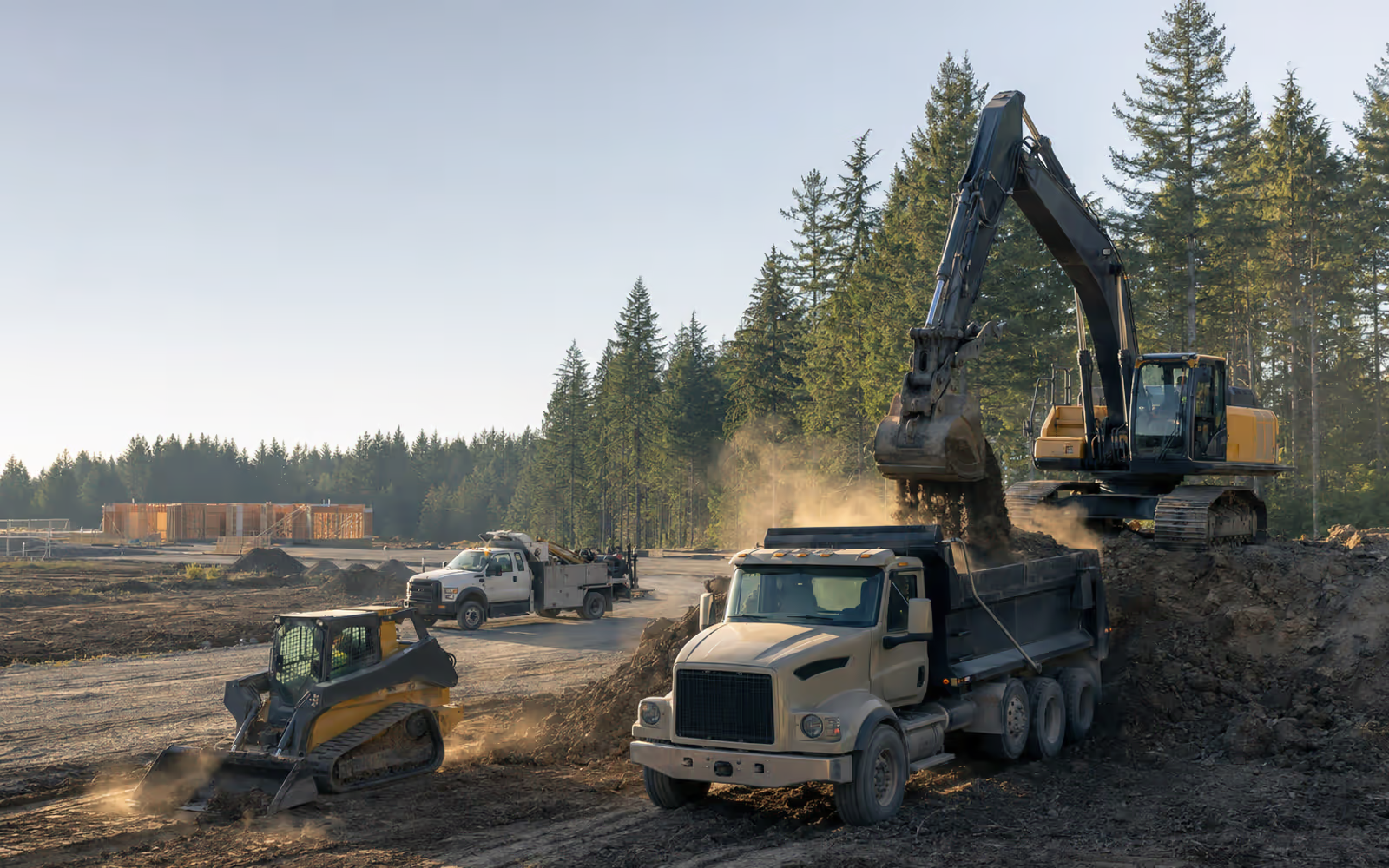
Owned commercial equipment fleet working in the business

The basic transaction

The business sells eligible equipment to a financing company at an approved value and immediately leases it back. The financing company becomes the legal owner during the lease, and the business keeps the asset operating subject to the agreement.

The available proceeds depend on current market value, lender advance limits, condition, ownership and any liens—not what the equipment cost years ago.

Assets and ownership must be clear

Expect to provide purchase evidence, serial numbers, registrations where applicable, photos, hours or kilometres, maintenance information and details of existing liens. An independent appraisal or inspection may be required.

Highly specialized, obsolete, damaged or difficult-to-value equipment may not produce usable proceeds.

Review the reason and the cost

A sale-leaseback creates a new payment and security obligation. The business should understand the use of funds, total lease cost, end-of-term rights, tax consequences and what happens if the agreement ends early.

Get independent accounting and legal advice before proceeding.

Key points to carry into the transaction

  • Current value determines the starting point
  • Ownership and liens must be verified
  • An appraisal may be required
  • The equipment remains in use under contract
  • Independent tax and legal advice is important
Informational only. This guide is not a financing commitment or tax, legal, accounting, mechanical or professional advice.

Questions about this topic

Frequently asked questions

Can any owned equipment be used?

No. Asset type, age, condition, value, marketability and lender guidelines apply.

How much cash is available?

It depends on approved current value and the lender’s advance, less liens, fees and transaction requirements.

Do I keep the equipment?

You continue using it under the lease, subject to the agreement.

Is an appraisal always needed?

Not always, but it is common for higher-value or specialized assets.

Is sale-leaseback the same as a loan?

No. The legal structure and ownership differ; review the agreement carefully.

Apply the guide to a real equipment transaction

Tell Merrit Capital what you are buying, the approximate amount, the seller and the timing. We will explain the next information needed—without promising an outcome before the transaction is reviewed.