
Commercial equipment financing across Canada

Equipment financing resource

A buyer’s guide to financing used equipment

Used equipment can lower acquisition cost and shorten delivery, but the buyer has to replace the certainty of a new machine with evidence about condition, ownership and value. This guide shows where to focus before committing.

Practical Canadian guideAnswer-first informationUpdated 2026
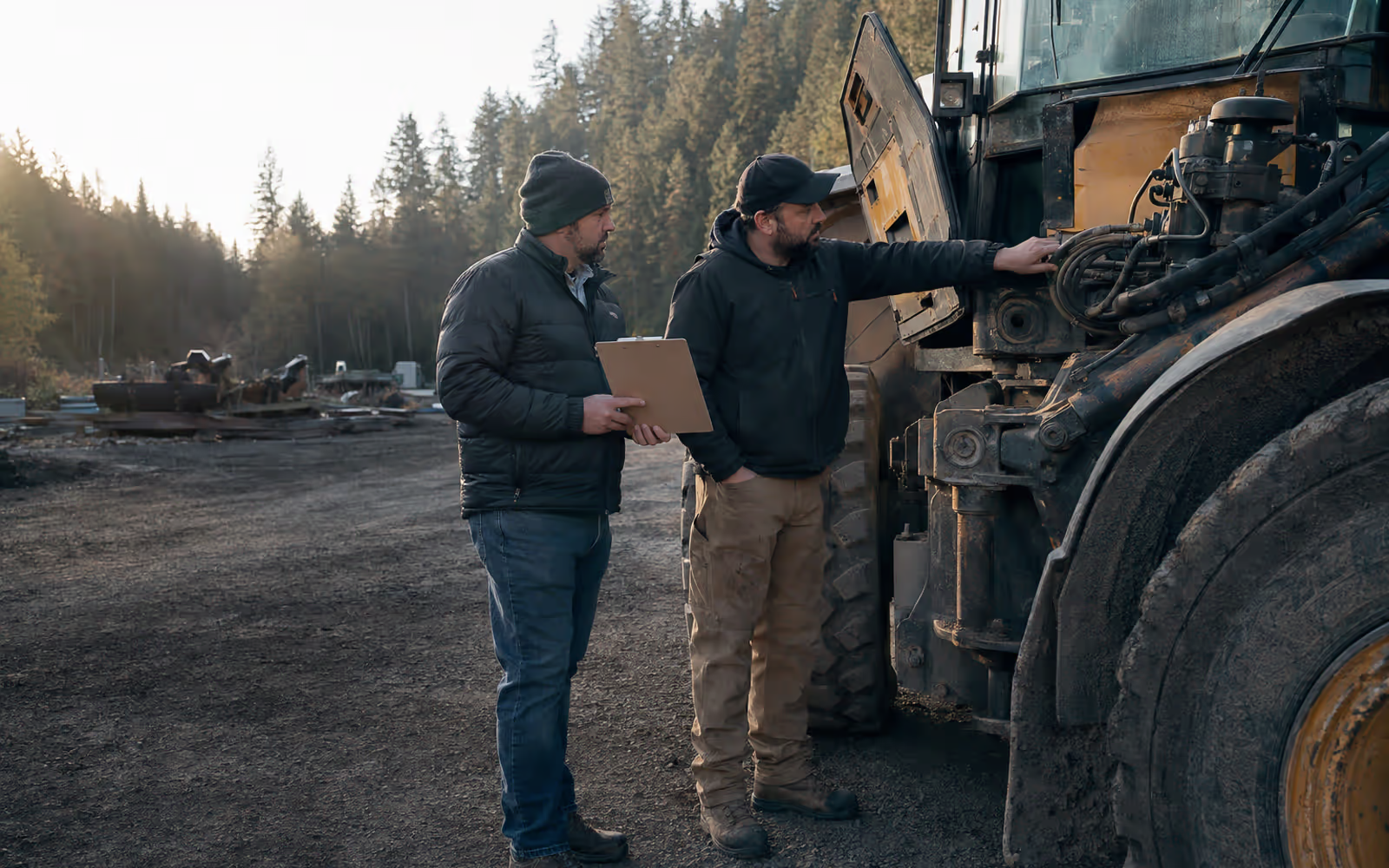
Inspection of used commercial equipment before purchase

Inspect the asset, not the listing

Confirm serial number, hours or kilometres, configuration, visible condition, maintenance records and major component history. Use a qualified inspector for specialized or high-value equipment when appropriate.

A lender’s acceptance is not a mechanical inspection and does not confirm that the equipment is fit for the buyer’s purpose.

Verify the seller and title

Establish the seller’s legal identity and ownership. Private sales may require corporate documents, purchase evidence, lien searches and lender-controlled payouts.

Walk away from cash side deals, mismatched serial numbers or a seller who will not provide normal verification.

Compare value and useful life

Look beyond asking prices. Compare year, hours, specification, condition, attachments and geography. An appraisal may be appropriate where the market is thin.

The payment term should not exceed a realistic productive life for the business. A cheap machine that cannot remain reliable is not a financing win.

Key points to carry into the transaction

  • Confirm serial number and ownership
  • Review hours, kilometres and maintenance
  • Inspect specialized assets
  • Compare price with like-for-like equipment
  • Resolve liens before funding
  • Avoid non-refundable commitments before review
Informational only. This guide is not a financing commitment or tax, legal, accounting, mechanical or professional advice.

Questions about this topic

Frequently asked questions

Does lender approval replace an inspection?

No. Credit and asset acceptance are not warranties of condition or suitability.

Can rebuilt equipment qualify?

It may, when rebuild work is documented and value remains supportable.

Should I use a dealer or private seller?

Both may work; private sales usually require more verification.

Can older equipment get a long term?

Available term depends on age, condition, useful life and lender guidelines.

What if there are liens?

Existing liens generally must be discharged through an approved funding process.

Apply the guide to a real equipment transaction

Tell Merrit Capital what you are buying, the approximate amount, the seller and the timing. We will explain the next information needed—without promising an outcome before the transaction is reviewed.